Export finance: selling abroad and getting paid
The tools Latvian exporters use to protect themselves from non-payment and to finance the gap between shipping goods and receiving the money.
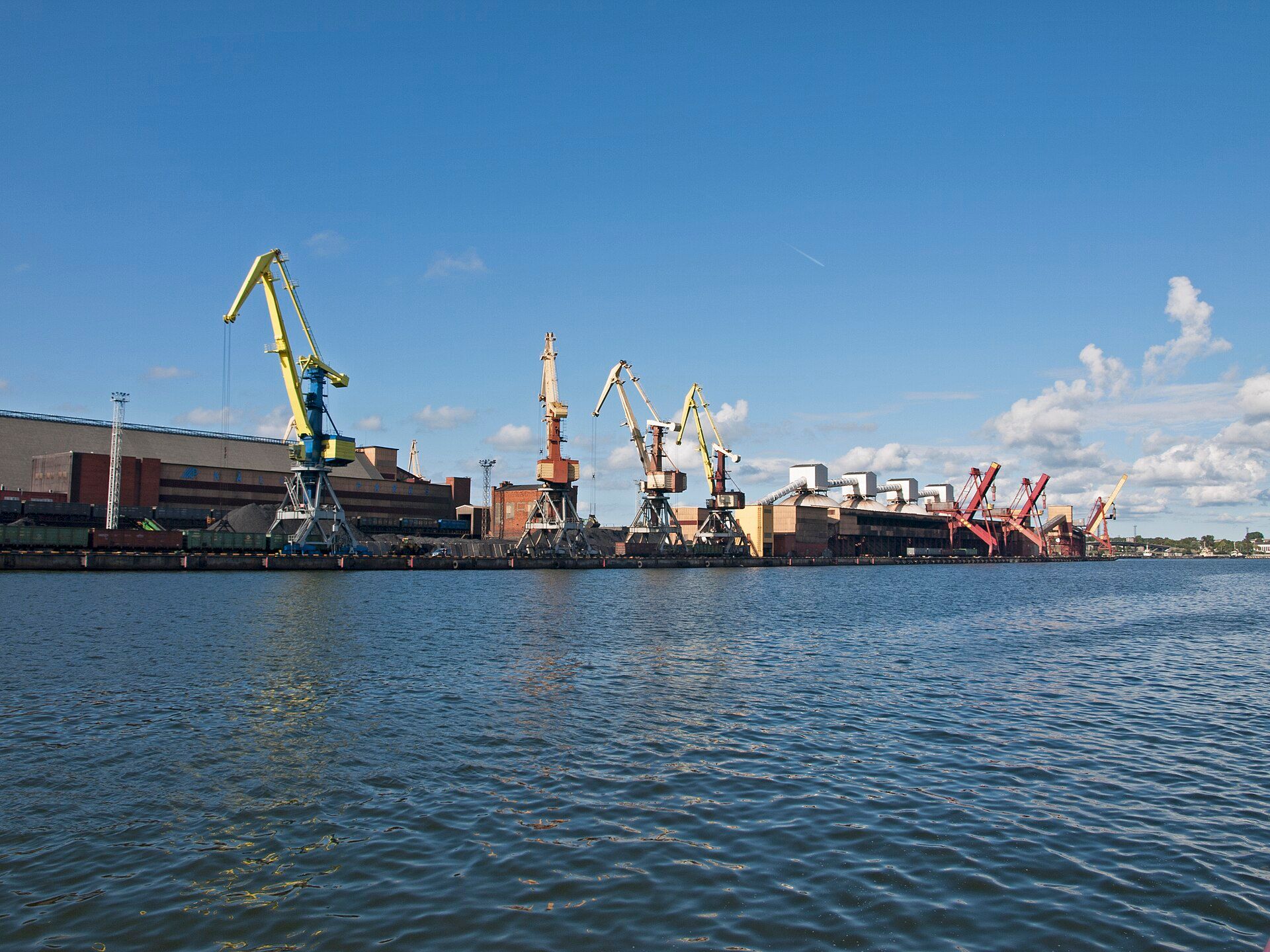
Latvia is a small market, so most companies that want to grow end up selling abroad. Exporting brings a problem that domestic trade rarely does on the same scale: you hand over goods to a buyer in another legal system, in another currency, and wait 30, 60 or 120 days to be paid. If the buyer fails, chasing the debt is slow and expensive. Meanwhile your own suppliers and staff still need paying.
Export finance is the set of tools that deals with those two problems: the risk of not being paid and the cash gap while you wait.
In brief
- Payment risk is handled with credit insurance, export credit guarantees, letters of credit or documentary collections.
- The cash gap is handled with export factoring, pre-shipment loans or by discounting insured receivables at a bank.
- In Latvia, ALTUM issues short-term export credit guarantees for sales on deferred payment terms of up to 730 days, under Cabinet Regulation No. 866.
- The right payment term and the right Incoterms rule are free risk control. Agree them before you think about insurance.
The risk ladder
Methods of getting paid in international trade are usually ranked from safest for the exporter to safest for the buyer:
| Method | Exporter’s risk | Buyer’s view |
|---|---|---|
| Cash in advance | None | Least attractive |
| Letter of credit | Low, if documents comply | Costly, ties up their credit line |
| Documentary collection | Moderate | Acceptable |
| Open account with insurance or a guarantee | Low to moderate | Most attractive |
| Open account without protection | High | Most attractive |
Most trade inside the EU now runs on open account, because buyers expect it. That is why credit insurance and export guarantees matter: they let you offer the terms buyers want while keeping the risk of non-payment manageable.
Export credit guarantees in Latvia
The successor to the old LGA export guarantee programme is run by ALTUM. Under Cabinet Regulation No. 866, ALTUM can guarantee short-term export transactions where the foreign buyer pays on deferred terms of up to 730 days (547 days for agricultural products), protecting the exporter against the buyer’s insolvency or prolonged non-payment. The regulation caps the amount per exporter for transactions with one debtor at €2 million and lists the countries where buyers may be located. In 2024 Latvia also joined an EU facility, backed by the European Investment Fund, that supports export guarantees for trade with Ukraine.
Conditions change with each amendment of the regulation, so check the current text and ALTUM’s programme page before planning around it.
Financing the wait
Protection from non-payment does not by itself put money in your account. Three common ways to do that:
- Export factoring: a factor buys your foreign invoices, pays you most of their value immediately and collects from the buyer. Often combined with credit insurance.
- Pre-shipment finance: a loan to buy materials and produce an export order, repaid when the buyer pays.
- Assignment of an insured receivable: banks lend more readily against invoices that are insured or guaranteed, because the insurer or guarantor stands behind them.
Guides in this section
Start with export credit insurance if you sell on open account, or letters of credit if you are dealing with a new buyer in a higher-risk market.
In this section
- Export credit insuranceHow trade credit insurance works for Latvian exporters, what it covers, what it costs, and how it differs from a state export credit guarantee.
- ALTUM export guaranteesHow the state export credit guarantee works under Cabinet Regulation No. 866, who can use it, the limits on terms and amounts, and how it fits with commercial insurance.
- Letters of creditA practical guide to documentary letters of credit under UCP 600, confirmed and unconfirmed LCs, the documents that cause problems, and the costs.
- Documentary collectionHow documents against payment and documents against acceptance work, the protection they give a Latvian exporter, and where they fall short of a letter of credit.